
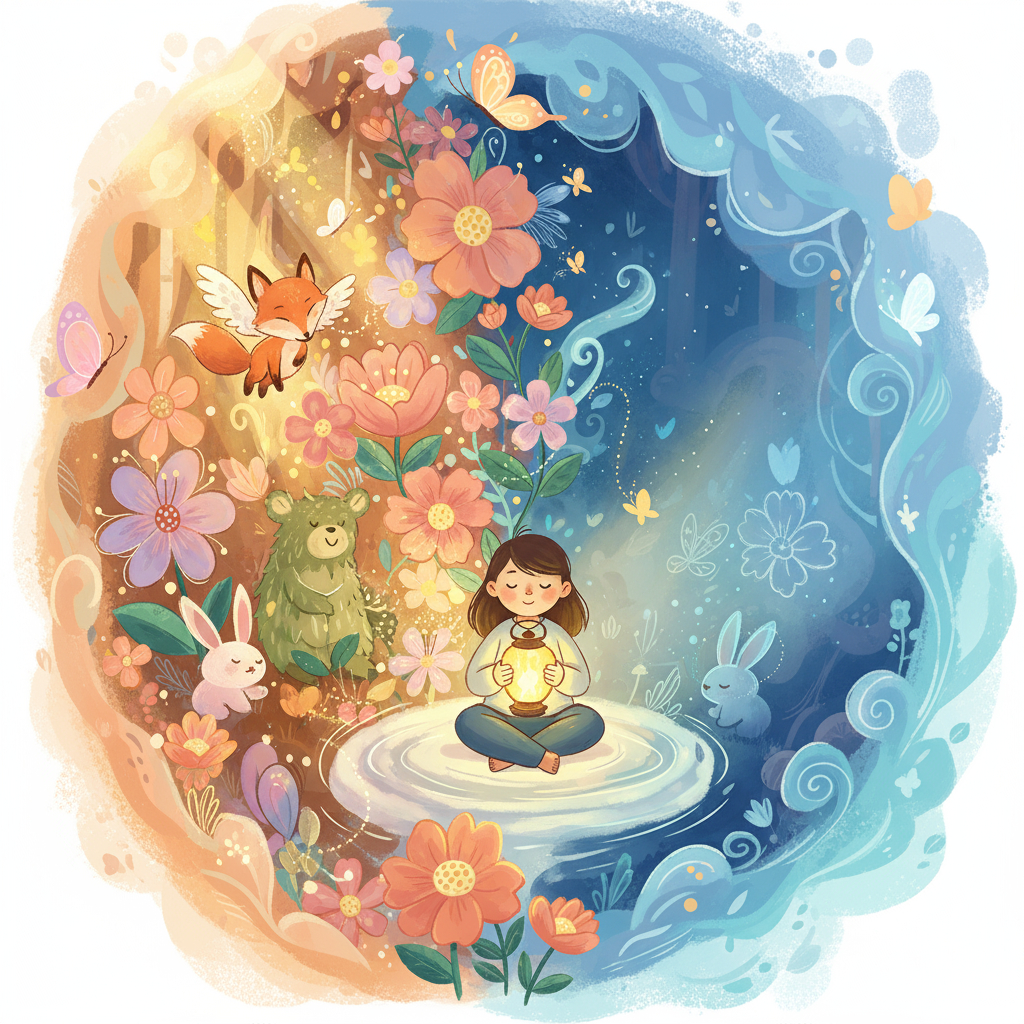
Caring has been a lost art in the modern world. We have been going and going and doing each thing, then seeing the screens and our heads are going around trying to meet a deadline and we tend to leave our hearts behind. The world appears to be noisier, busier, and selfish than ever. Nevertheless, in all this racket, the very act of caring, actually caring, is one of the most effective things that one can do.
Caring does not always imply large gestures and empathetic theatrics. It is in little things that you can not see, those are those moments when you know you are the one holding the door open and someone comes in, when you know you are either listening but not talking, or even when you are making sure that someone is okay, even when you do not know that he or she is in need of you. These little things of kindness bring warmth to the world, which otherwise seems cold.
Why Care Matters More Than Ever
Caring means being open to being connected. You accept that the feelings, needs or plight of someone deserves your consideration. By so doing, you establish invisible strands that bind people together. These interrelations are the basis of empathy – the only thing that makes humanity alive and prosperous.
The modern culture of indifference is also challenged by caring. Nowadays, it is easy to scroll through pain or use emojis instead of empathy, and deciding to care is a little form of silent rebellion. It says, “I see you. You matter.” These four words can make an entire day of a person change – and even their life.
Caring Does Not Always Come Easy
Let’s be real, caring is not easy. It requires patience, openness, and affective energy. It entails keeping your heart open, even when there’s the chance that someone will disappoint or reject you. And it’s that very openness that makes caring beautiful. To care is to say, deepest, “Even if the world won’t, I will.”
True care is not searching for a payoff. It is not flashy or business-like. It is genuine because it is from the heart. Whether it is to support someone through a loss, to guide a student, or to be present for a buddy, care requires that you invest something of yourself. And with the investing comes something exponentially bigger: connection, thankfulness, and the simple peace that comes with the knowledge that your presence is worth something.
Don’t Forget to Care for Yourself
We tend to think that caring only applies to the way we deal with other people, but true compassion has to begin inward. The care art entails taking care of your own health, your body, soul, and mind. You can’t give from an empty jug.
Self-care is not selfish; it is the source of empathy. When you give yourself a break, forgiveness, and healing, it creates the strength to give the same to others. Giving yourself time to reflect, boundary-setting, or giving yourself the liberty to slow down are all acts of care that stabilize your peace and your balance.
Little Steps, Big Impact
Care need not be dramatic for it to count. At other times, it is the smallest things that come to matter the most. A smile to someone you are a stranger to, a letter or note handwritten personally, a quick call that simply says, “I thought of you today.” These cost seconds, but stay with someone for years.
The power of care is that it is duplicable. When someone chooses to be kind, it mobilizes someone else to do the same. What started with a single gesture of care can spread, making a gentle ripple effect of goodness in a world that badly needs it.
The Courage to Care
In a world that is prone to glorifying apathy, it takes courage to care. It takes strength to be gentle when everyone else is not, to be gentle in an unforgiving world, and to keep hoping that empathy is real when it seems that no other human being is. But these are the people who care, truly care, who keep the humans from falling apart.
Their kindness becomes light in the dark, proof that love and decency still matter. And though the world may not always reward them, it’s because of them that hope endures.
Conclusion
Care is not ever simple, but it is always worthwhile. The smallest display of care can help to create happiness, mend wounds, and give the reassuring comfort that we are not forgotten. In a universe that all too often forgets to care, be the person who remembers.
And if ever you need a gentle prod to recapture that warmth and care, then Who Cares Anyway? by Lynn S Dykes is the perfect reminder. With its sensitive storytelling and ageless message, it preserves the gentle art of caring, the sort that is always capable of shifting hearts, homes, and generations.